സാഹിത്യ നൊബേല് പാട്രിക്
മൊദിയാനോയ്ക്ക്
The
Nobel Prize in Literature for 2014 is awarded to the French author Patrick
Modiano
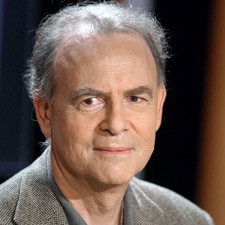 The
2014 Nobel Prize in Literature was awarded on Thursday to French author Patrick Modiano for "the art of memory with which
he has evoked the most ungraspable human destinies and uncovered the life-world
of the occupation."Modiano, 69, is the author of more than two dozen books and
several screenplays. The 11th Literature laureate born in France, Modiano is
also the recipient of the Grand prix du roman de l'Académie française, the Prix
Goncourt, the Prix mondial Cino Del Duca and the Austrian State Prize for
European Literature.
The
2014 Nobel Prize in Literature was awarded on Thursday to French author Patrick Modiano for "the art of memory with which
he has evoked the most ungraspable human destinies and uncovered the life-world
of the occupation."Modiano, 69, is the author of more than two dozen books and
several screenplays. The 11th Literature laureate born in France, Modiano is
also the recipient of the Grand prix du roman de l'Académie française, the Prix
Goncourt, the Prix mondial Cino Del Duca and the Austrian State Prize for
European Literature.
Prior
to the announcement, speculation as to the next Nobel laureate in literature
was rampant. Bettors at U.K. bookmakers Ladbrokes favored Kenyan
poet Ngũgĩ wa Thiong'o and Japanese novelist Haruki Murakami, who had surged to
the front of the pack in recent days. Murakami had frequently been fingered as
a possible Nobel laureate in previous years, including in 2013, when he led the odds, only to lose out to Alice Munro.
Other favorites familiar to U.S. readers included Philip Roth,
Joyce Carol Oates and Thomas Pynchon -- novelists celebrated by the American
literary establishment but thus far without Nobel Prizes -- as well as
singer-songwriter Bob Dylan.
Oddsmakers
also favored writers
less familiar to the general U.S. audience, including Svetlana Alexievich of
Belarus, Austrian novelist Peter Handke, and Syrian poet Adonis.
Though betting was hot and heavy at Ladbrokes, there’s little
data behind Nobel odds. There’s no Nobel longlist or shortlist announced. Even
the nominees are kept secret by the Nobel organization.
 So, how does the Nobel Prize in Literature get awarded? The
Nobel Prizes are awarded by the Royal Swedish Academy, academics and thinkers
who have been appointed to lifetime memberships. The Academy elects, from
within its own members, The Nobel Committee for Literature, which invites
distinguished academy members, previous laureates and other qualified
nominators from around the world to nominate authors for the prize. From the
nominations they receive, the committee selects a short list of candidates. The
final choice is made by the full 18 members of the Swedish Academy, who review
the life's work of the nominees chosen by the Nobel Committee for Literature.
So, how does the Nobel Prize in Literature get awarded? The
Nobel Prizes are awarded by the Royal Swedish Academy, academics and thinkers
who have been appointed to lifetime memberships. The Academy elects, from
within its own members, The Nobel Committee for Literature, which invites
distinguished academy members, previous laureates and other qualified
nominators from around the world to nominate authors for the prize. From the
nominations they receive, the committee selects a short list of candidates. The
final choice is made by the full 18 members of the Swedish Academy, who review
the life's work of the nominees chosen by the Nobel Committee for Literature.
The
Nobel Prize in Literature has been the subject of considerable controversy over
the years. The prize has been criticized for skipping over seminal authors such as Vladimir Nabokov, James Joyce,
Virginia Woolf and Leo Tolstoy, while being bestowed upon other authors who
have since languished in apparent obscurity.
Some, such as Philip Roth, have suggested that the Academy
relies too heavily on non-literary criteria, such as the perceived social
justice value of the author’s work. In 2011, Per Wästberg, the chairman of the
committee for literature, responded to this charge: “We do not have a human
rights criterion," he insisted. "We award, for example, Orhan Pamuk
for his outstanding novels and essays; then the award becomes politically
interpreted.”
The sheer scope of the Nobel Prize presents an obvious
challenge; with literature from across the globe open for consideration, it
would be difficult for the Academy to recognize each highly acclaimed author
from each literary tradition around the world. This breadth of consideration,
as well as the relative opacity of the process, keeps critics and oddsmakers
guessing each year as to what direction the Academy might take.
 സാഹിത്യത്തിനുള്ള 2014 ലെ നോബല് സമ്മാനം ഫ്രഞ്ച്
സാഹിത്യകാരന് പാട്രിക് മൊദിയാനോയ്ക്ക്. മിസിംഗ്
പേഴ്സണ്, എ ട്രെയ്സ് ഓഫ് മലീസ്, ഹണിമൂണ്, ഔട്ട്് ഓഫ് ദ ഡാര്ക്ക്, ഡോറ
ബ്രൂഡര്, കാതറീന് സെര്റ്റിറ്റിയൂഡ്, ദ സെര്ച്ച് വാറന്റ്, ലെ ഹെര്ബെ ദെ
ന്യൂട്ട്, ലെ ഹൊറൈസണ്, നൈറ്റ് റൗണ്ട്സ്,റിംഗ് റോഡ്സ്, തുടങ്ങിയ കൃതികളിലൂടെ
പ്രശസ്തനായ മൊദിയാനോ 1945 ല് പാരീസിലാണ് ജനിച്ചത്. 1968 ല് ആദ്യ നോവല് പാലസ് ദെ ടോയിലെ പുറത്തിറങ്ങി. ബാലസാഹിത്യവും
തിരക്കഥകളും എഴുതിയിട്ടുണ്ട്. 41 പുസ്തകങ്ങള് എഴുതിയിട്ടുള്ള അദ്ദേഹത്തിന്റെ പല
പുസ്തകങ്ങളും ഇംഗ്ലീഷ്, സ്പാനീഷ്, സ്വീഡീഷ്, ജര്മന് ഭാഷകളിലേക്ക് വിവര്ത്തനം
ചെയ്യപ്പെട്ടിട്ടുണ്ട്. സ്മൃതി, വിസ്മൃതി,
അസ്്തിത്വം, കുറ്റബോധം തുടങ്ങിയ വിഷയങ്ങളില് ഊന്നിയാണ് അദ്ദേഹത്തിന്റെ രചനകള്
ഏറെയും. മിക്കവാറും എല്ലാ പുസ്തകങ്ങളിലും പാരീസ് നഗരം ഒരു പ്രധാന ബിംബമായിരുന്നു. മിസിംഗ് പേഴ്സണാണ് അദ്ദേഹത്തിന്റെ ഏറ്റവും ശ്രദ്ധേയമായ കൃതി. ഓര്മ
നഷ്ടപ്പെടുന്ന ഒരു ഡിറ്റക്ടീവിന്റെ കഥ പറയുന്ന ഈ നോവല് ഏറെ പ്രശംസ നേടി.ഓസ്ട്രിയന്
സ്റ്റേറ്റ് പ്രൈസ് ഫോര് യൂറോപ്യന് ലിറ്ററേച്ചര്, പ്രിക്സ് മോണ്ടിയല് സിനോ
ദെല് ഡുക, പ്രിക്സ് ഗോണ്കോര്ട്ട് തുടങ്ങിയ പുരസ്ക്കാരങ്ങളും
നേടിയിട്ടുണ്ട്.
സാഹിത്യത്തിനുള്ള 2014 ലെ നോബല് സമ്മാനം ഫ്രഞ്ച്
സാഹിത്യകാരന് പാട്രിക് മൊദിയാനോയ്ക്ക്. മിസിംഗ്
പേഴ്സണ്, എ ട്രെയ്സ് ഓഫ് മലീസ്, ഹണിമൂണ്, ഔട്ട്് ഓഫ് ദ ഡാര്ക്ക്, ഡോറ
ബ്രൂഡര്, കാതറീന് സെര്റ്റിറ്റിയൂഡ്, ദ സെര്ച്ച് വാറന്റ്, ലെ ഹെര്ബെ ദെ
ന്യൂട്ട്, ലെ ഹൊറൈസണ്, നൈറ്റ് റൗണ്ട്സ്,റിംഗ് റോഡ്സ്, തുടങ്ങിയ കൃതികളിലൂടെ
പ്രശസ്തനായ മൊദിയാനോ 1945 ല് പാരീസിലാണ് ജനിച്ചത്. 1968 ല് ആദ്യ നോവല് പാലസ് ദെ ടോയിലെ പുറത്തിറങ്ങി. ബാലസാഹിത്യവും
തിരക്കഥകളും എഴുതിയിട്ടുണ്ട്. 41 പുസ്തകങ്ങള് എഴുതിയിട്ടുള്ള അദ്ദേഹത്തിന്റെ പല
പുസ്തകങ്ങളും ഇംഗ്ലീഷ്, സ്പാനീഷ്, സ്വീഡീഷ്, ജര്മന് ഭാഷകളിലേക്ക് വിവര്ത്തനം
ചെയ്യപ്പെട്ടിട്ടുണ്ട്. സ്മൃതി, വിസ്മൃതി,
അസ്്തിത്വം, കുറ്റബോധം തുടങ്ങിയ വിഷയങ്ങളില് ഊന്നിയാണ് അദ്ദേഹത്തിന്റെ രചനകള്
ഏറെയും. മിക്കവാറും എല്ലാ പുസ്തകങ്ങളിലും പാരീസ് നഗരം ഒരു പ്രധാന ബിംബമായിരുന്നു. മിസിംഗ് പേഴ്സണാണ് അദ്ദേഹത്തിന്റെ ഏറ്റവും ശ്രദ്ധേയമായ കൃതി. ഓര്മ
നഷ്ടപ്പെടുന്ന ഒരു ഡിറ്റക്ടീവിന്റെ കഥ പറയുന്ന ഈ നോവല് ഏറെ പ്രശംസ നേടി.ഓസ്ട്രിയന്
സ്റ്റേറ്റ് പ്രൈസ് ഫോര് യൂറോപ്യന് ലിറ്ററേച്ചര്, പ്രിക്സ് മോണ്ടിയല് സിനോ
ദെല് ഡുക, പ്രിക്സ് ഗോണ്കോര്ട്ട് തുടങ്ങിയ പുരസ്ക്കാരങ്ങളും
നേടിയിട്ടുണ്ട്.
Prof. John Kurakar


No comments:
Post a Comment