ഭാരതത്തിന്റെ രണ്ടാം
ചൊവ്വാദൗത്യം 2018 ല്
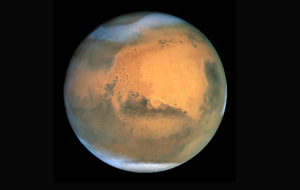 Riding on the recent
success of its Mars Orbiter Mission (MOM), India plans to revisit the planet in
2018, possibly with a lander and rover to conduct more experiments, a space
official said Wednesday.“We plan to launch a second
mission to Mars in 2018, probably with a lander and rover, to conduct more
experiments for which we have to develop new technologies,” Indian Space
Research Organisation (ISRO) satellite centre director S. Shiva Kumar told
reporters here.The state-run space agency successfully inserted its spacecraft
(MOM) Sep 24 in the Martian orbit with five scientific instruments to search
for life-sustaining elements on the planet over nine months after it was
launched Nov 5, 2013 from its spaceport at Sriharikota in Andhra Pradesh and
about 90 km northeast of Chennai.
Riding on the recent
success of its Mars Orbiter Mission (MOM), India plans to revisit the planet in
2018, possibly with a lander and rover to conduct more experiments, a space
official said Wednesday.“We plan to launch a second
mission to Mars in 2018, probably with a lander and rover, to conduct more
experiments for which we have to develop new technologies,” Indian Space
Research Organisation (ISRO) satellite centre director S. Shiva Kumar told
reporters here.The state-run space agency successfully inserted its spacecraft
(MOM) Sep 24 in the Martian orbit with five scientific instruments to search
for life-sustaining elements on the planet over nine months after it was
launched Nov 5, 2013 from its spaceport at Sriharikota in Andhra Pradesh and
about 90 km northeast of Chennai.
“We will be able to take
the Mars-2 mission after launching the second mission to the moon
(Chandrayaan-2) in 2016 with our own lander and rover, which will help us develop
a separate lander and rover for the red planet,” Kumar said, ahead of a
three-day ‘Engineers Conclave-2014′ by the space agency with the Indian
National Academy of Engineering here.As missions to Mars can be launched only
at an interval of two years, the space agency is looking for a slot in 2018 and
by which it hopes to have a heavy rocket fully operational to carry a lander
and rover with scientific experiments as additional payloads.“We hope to have
fully operational heavy rockets over the next two-three years for carrying
communication satellites weighting two-three tonnes into the geo-stationary
orbits around the earth,” Kumar said.
 The space agency has
developed the geo-synchronous satellite launch vehicle (GSLV-Mark I-III) with
indigenous cryogenic engine to launch heavier satellites weighing more than two
tonnes and three tonnes into the geo-orbit at 36,000 km above Earth.“GSLV-Mark
I-III will be used for Chandrayaan-2, which will have heavier payload than its
predecessor (Chandrayaan-1) and later for Mars-2 mission, as both will have a
lander and rover in addition to scientific experiments,” he said.The space
agency launched Jan 5 a GSLV rocket with an indigenous cryogenic engine from
the spaceport and placed a communication satellite (Gsat-14) in the
geo-stationary orbit.Chandrayaan-1 was launched Oct 22, 2008, using a polar
satellite launch vehicle (PSLV-C11), a four-stage rocket.The 475 kg Mars
Orbiter was also launched onboard a polar rocket.The GSLV-Mark III’s maiden
launch is likely to be in December.രാജ്യത്തിന്റെ ആദ്യ ചൊവ്വാ ദൗത്യം
വിജയത്തിലെത്തിയതിന് പിന്നാലെ രണ്ടാം ദൗത്യത്തിന്
ഐ.എസ്.ആര്.ഒ. തയ്യാറെടുക്കുന്നു.
കൂടുതല് പരീക്ഷണങ്ങള്
നടത്താനുള്ള സൗകര്യത്തോടെയായിരിക്കും രണ്ടാം ദൗത്യമെന്ന് ഐ.എസ്.ആര്.ഒ. സാറ്റലൈറ്റ്
സെന്റര് ഡയറക്ടര്
എസ്. ശിവകുമാര്
പറഞ്ഞു. '2018-ല്
ഈ ദൗത്യം നടത്താനാകുമെന്നാണ്
പ്രതീക്ഷ. ലാന്ഡര്
ആന്ഡ്
റോവര് ഉപയോഗിച്ചുള്ള പരീക്ഷണമാണ്
ലക്ഷ്യം. ഇതിനായി പുതിയ സാങ്കേതികവിദ്യ
വികസിപ്പേക്കണ്ടതുണ്ട്'- അദ്ദേഹം പറഞ്ഞു. ഇന്ത്യന് നാഷണല്
അക്കാദമി ഓഫ് എന്ജിനീയറിങ്
ബെംഗളൂരുവില് സംഘടിപ്പിച്ച എന്ജിനീയേഴ്സ്
കൂട്ടായ്മയില് സംസാരിക്കുകയായിരുന്നു അദ്ദേഹം.സപ്തംബര് 24-നാണ്
ഇന്ത്യയുടെ ചൊവ്വാപര്യവേക്ഷണ പേടകം(മാര്സ് ഓര്ബിറ്റര് മിഷന്)
ചൊവ്വയുടെ ഭ്രമണപഥത്തിലേക്ക് പ്രവേശിച്ചത്. ചന്ദ്രയാന് രണ്ടിന്റെ
വിക്ഷേപണത്തിന് ശേഷമായിരിക്കും രണ്ടാം ചൊവ്വാദൗത്യം. ചന്ദ്രയാന് രണ്ട് 2016-ലാണ്
വിക്ഷേപിക്കുക. ചന്ദ്രന്റെ ഉപരിതലത്തില്
പേടകത്തെ ഇറക്കിയുള്ള പരീക്ഷണമാണ് ചന്ദ്രയാന് രണ്ടിലൂടെ
ലക്ഷ്യംവെക്കുന്നത്. ഇതില്നിന്ന്
ലഭിക്കുന്ന സാങ്കേതികനേട്ടം ചൊവ്വയിലേക്കുള്ള രണ്ടാം ദൗത്യത്തിന് മുതല്ക്കൂട്ടാകുമെന്നും
ശിവകുമാര് പറഞ്ഞു.ചൊവ്വയിലേക്കുള്ള
രണ്ടാം ദൗത്യത്തിന് ശക്തമായ വിക്ഷേപണവാഹനം ആവശ്യമാണ്.
ആദ്യ ദൗത്യത്തിന് ഉപയോഗിച്ചത്
പി.എസ്.എല്.വി. റോക്കറ്റാണ്.
രണ്ടാം ദൗത്യത്തിനായി ജി.എസ്.എല്.വി. വിക്ഷേപണ
വാഹനം സജ്ജമാക്കണം. കൂടതല് പേ
ലോഡുകളുമായുള്ള പര്യവേക്ഷണപേടകം ചൊവ്വയുടെ ഭ്രമണപഥത്തിലേക്ക് എത്തിക്കണമെങ്കില് കൂടുതല്
ഭാരം വഹിക്കാന്
ശേഷിയുള്ള റോക്കറ്റ് ആവശ്യമാണ്. രണ്ടോ
മൂന്നോ വര്ഷത്തിനുള്ളില് ജി.എസ്.എല്.വി. ഇതിന്
സജ്ജമാകുമെന്നാണ് പ്രതീക്ഷ. രണ്ടു മുതല് മൂന്നു വരെ
ടണ് ഭാരമുള്ള
വാര്ത്താ
വിനിമയ ഉപഗ്രഹം വിക്ഷേപിക്കാനും ഇത്തരം
റോക്കറ്റ് ആവശ്യമാണ്. ഇത്രയും ഭാരമുള്ള
ഉപഗ്രഹത്തെ ഭൂമിയുടെ 36,000 കിലോമീറ്റര് അകലെയുള്ള ഭ്രമണപഥത്തിലെത്തിക്കാന് തദ്ദേശീയമായി വികസിപ്പിച്ച
ക്രയോജിനിക് എന്ജിനുള്ള ജി.എസ്.എല്.വിക്ക് കഴിയുമെന്നും ശിവകുമാര് പറഞ്ഞു.ചന്ദ്രയാന് രണ്ട് ദൗത്യത്തിന്
ജി.എസ്.എല്.വി. മാര്ക്ക്
മൂന്ന് വിക്ഷേപണ വാഹനമായിരിക്കും ഉപയോഗിക്കുക.
കഴിഞ്ഞ ജനവരിയില് നടന്ന
ജി.എസ്.എല്.വി. വിക്ഷേപണം
വിജയമായിരുന്നു. ഇതിന്റെ പരിഷ്കരിച്ച ജി.എസ്.എല്.വി. മാര്ക്ക്
മൂന്ന് റോക്കറ്റ് ഡിസംബറില്
വിക്ഷേപിക്കാനാണ് ലക്ഷ്യമിടുന്നത്.
The space agency has
developed the geo-synchronous satellite launch vehicle (GSLV-Mark I-III) with
indigenous cryogenic engine to launch heavier satellites weighing more than two
tonnes and three tonnes into the geo-orbit at 36,000 km above Earth.“GSLV-Mark
I-III will be used for Chandrayaan-2, which will have heavier payload than its
predecessor (Chandrayaan-1) and later for Mars-2 mission, as both will have a
lander and rover in addition to scientific experiments,” he said.The space
agency launched Jan 5 a GSLV rocket with an indigenous cryogenic engine from
the spaceport and placed a communication satellite (Gsat-14) in the
geo-stationary orbit.Chandrayaan-1 was launched Oct 22, 2008, using a polar
satellite launch vehicle (PSLV-C11), a four-stage rocket.The 475 kg Mars
Orbiter was also launched onboard a polar rocket.The GSLV-Mark III’s maiden
launch is likely to be in December.രാജ്യത്തിന്റെ ആദ്യ ചൊവ്വാ ദൗത്യം
വിജയത്തിലെത്തിയതിന് പിന്നാലെ രണ്ടാം ദൗത്യത്തിന്
ഐ.എസ്.ആര്.ഒ. തയ്യാറെടുക്കുന്നു.
കൂടുതല് പരീക്ഷണങ്ങള്
നടത്താനുള്ള സൗകര്യത്തോടെയായിരിക്കും രണ്ടാം ദൗത്യമെന്ന് ഐ.എസ്.ആര്.ഒ. സാറ്റലൈറ്റ്
സെന്റര് ഡയറക്ടര്
എസ്. ശിവകുമാര്
പറഞ്ഞു. '2018-ല്
ഈ ദൗത്യം നടത്താനാകുമെന്നാണ്
പ്രതീക്ഷ. ലാന്ഡര്
ആന്ഡ്
റോവര് ഉപയോഗിച്ചുള്ള പരീക്ഷണമാണ്
ലക്ഷ്യം. ഇതിനായി പുതിയ സാങ്കേതികവിദ്യ
വികസിപ്പേക്കണ്ടതുണ്ട്'- അദ്ദേഹം പറഞ്ഞു. ഇന്ത്യന് നാഷണല്
അക്കാദമി ഓഫ് എന്ജിനീയറിങ്
ബെംഗളൂരുവില് സംഘടിപ്പിച്ച എന്ജിനീയേഴ്സ്
കൂട്ടായ്മയില് സംസാരിക്കുകയായിരുന്നു അദ്ദേഹം.സപ്തംബര് 24-നാണ്
ഇന്ത്യയുടെ ചൊവ്വാപര്യവേക്ഷണ പേടകം(മാര്സ് ഓര്ബിറ്റര് മിഷന്)
ചൊവ്വയുടെ ഭ്രമണപഥത്തിലേക്ക് പ്രവേശിച്ചത്. ചന്ദ്രയാന് രണ്ടിന്റെ
വിക്ഷേപണത്തിന് ശേഷമായിരിക്കും രണ്ടാം ചൊവ്വാദൗത്യം. ചന്ദ്രയാന് രണ്ട് 2016-ലാണ്
വിക്ഷേപിക്കുക. ചന്ദ്രന്റെ ഉപരിതലത്തില്
പേടകത്തെ ഇറക്കിയുള്ള പരീക്ഷണമാണ് ചന്ദ്രയാന് രണ്ടിലൂടെ
ലക്ഷ്യംവെക്കുന്നത്. ഇതില്നിന്ന്
ലഭിക്കുന്ന സാങ്കേതികനേട്ടം ചൊവ്വയിലേക്കുള്ള രണ്ടാം ദൗത്യത്തിന് മുതല്ക്കൂട്ടാകുമെന്നും
ശിവകുമാര് പറഞ്ഞു.ചൊവ്വയിലേക്കുള്ള
രണ്ടാം ദൗത്യത്തിന് ശക്തമായ വിക്ഷേപണവാഹനം ആവശ്യമാണ്.
ആദ്യ ദൗത്യത്തിന് ഉപയോഗിച്ചത്
പി.എസ്.എല്.വി. റോക്കറ്റാണ്.
രണ്ടാം ദൗത്യത്തിനായി ജി.എസ്.എല്.വി. വിക്ഷേപണ
വാഹനം സജ്ജമാക്കണം. കൂടതല് പേ
ലോഡുകളുമായുള്ള പര്യവേക്ഷണപേടകം ചൊവ്വയുടെ ഭ്രമണപഥത്തിലേക്ക് എത്തിക്കണമെങ്കില് കൂടുതല്
ഭാരം വഹിക്കാന്
ശേഷിയുള്ള റോക്കറ്റ് ആവശ്യമാണ്. രണ്ടോ
മൂന്നോ വര്ഷത്തിനുള്ളില് ജി.എസ്.എല്.വി. ഇതിന്
സജ്ജമാകുമെന്നാണ് പ്രതീക്ഷ. രണ്ടു മുതല് മൂന്നു വരെ
ടണ് ഭാരമുള്ള
വാര്ത്താ
വിനിമയ ഉപഗ്രഹം വിക്ഷേപിക്കാനും ഇത്തരം
റോക്കറ്റ് ആവശ്യമാണ്. ഇത്രയും ഭാരമുള്ള
ഉപഗ്രഹത്തെ ഭൂമിയുടെ 36,000 കിലോമീറ്റര് അകലെയുള്ള ഭ്രമണപഥത്തിലെത്തിക്കാന് തദ്ദേശീയമായി വികസിപ്പിച്ച
ക്രയോജിനിക് എന്ജിനുള്ള ജി.എസ്.എല്.വിക്ക് കഴിയുമെന്നും ശിവകുമാര് പറഞ്ഞു.ചന്ദ്രയാന് രണ്ട് ദൗത്യത്തിന്
ജി.എസ്.എല്.വി. മാര്ക്ക്
മൂന്ന് വിക്ഷേപണ വാഹനമായിരിക്കും ഉപയോഗിക്കുക.
കഴിഞ്ഞ ജനവരിയില് നടന്ന
ജി.എസ്.എല്.വി. വിക്ഷേപണം
വിജയമായിരുന്നു. ഇതിന്റെ പരിഷ്കരിച്ച ജി.എസ്.എല്.വി. മാര്ക്ക്
മൂന്ന് റോക്കറ്റ് ഡിസംബറില്
വിക്ഷേപിക്കാനാണ് ലക്ഷ്യമിടുന്നത്.
പ്രൊഫ്. ജോണ് കുരാക്കാർ


No comments:
Post a Comment