
വെള്ളം കുടിക്കാം കുപ്പി കഴിക്കാം
 ലോകമെങ്ങും പ്ലാസ്റ്റിക് മാലിന്യങ്ങള്
സൃഷ്ടിക്കുന്നതില് വെള്ളക്കുപ്പികള്ക്ക് വലിയ പങ്കുണ്ട്. കുപ്പിക്കുള്ളിലെ
ഒന്നോ രണ്ടോ ലിറ്റര് കുടിവെള്ളം തീര്ന്നാല് മിക്കവരും ചെയ്യുക ആ
പ്ലാസ്റ്റിക്ക് കുപ്പി ഉപേക്ഷിക്കുകയാണ്. അങ്ങനെയാണ് ഭൂമിയിലെ മനുഷ്യരടക്കമുള്ള
ജീവജാലങ്ങള്ക്കും പരിസ്ഥിതിക്കുതന്നെയും വെള്ളക്കുപ്പികള്് വലിയൊരു
ഭീഷണിയാകുന്നത്.
ലോകമെങ്ങും പ്ലാസ്റ്റിക് മാലിന്യങ്ങള്
സൃഷ്ടിക്കുന്നതില് വെള്ളക്കുപ്പികള്ക്ക് വലിയ പങ്കുണ്ട്. കുപ്പിക്കുള്ളിലെ
ഒന്നോ രണ്ടോ ലിറ്റര് കുടിവെള്ളം തീര്ന്നാല് മിക്കവരും ചെയ്യുക ആ
പ്ലാസ്റ്റിക്ക് കുപ്പി ഉപേക്ഷിക്കുകയാണ്. അങ്ങനെയാണ് ഭൂമിയിലെ മനുഷ്യരടക്കമുള്ള
ജീവജാലങ്ങള്ക്കും പരിസ്ഥിതിക്കുതന്നെയും വെള്ളക്കുപ്പികള്് വലിയൊരു
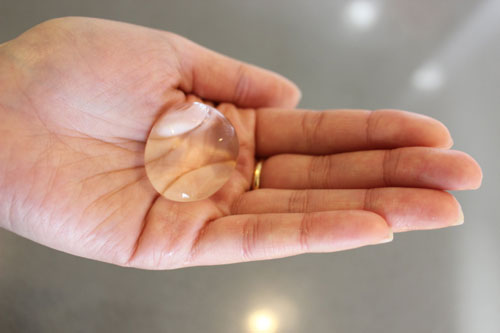
ഭീഷണിയാകുന്നത്. 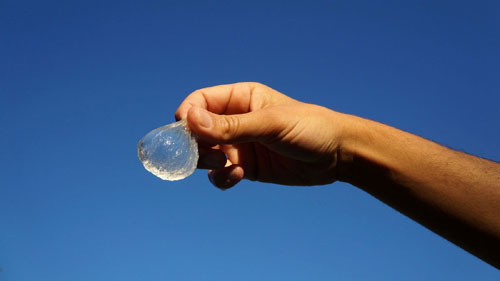 ഈ പ്രശ്നം പുഷ്പം പോലെ പരിഹരിക്കാനുള്ള വിദ്യയാണ് ലണ്ടനിലെ റോയല്
കോളേജ് ഓഫ് ആര്ട്ട് ബിരുദധാരികളായ റോഡ്രിഗോ ഗാര്ഷ്യ, പിയറി പാസ്ലിയര്,
ഗില്ലോം കൗച്ച് എന്നീ യുവാക്കള് കണ്ടെത്തിയത്. കുടിവെള്ളത്തെ വേണമെങ്കില്
കടിച്ചുതിന്നാവുന്ന നേര്ത്ത പാടയില് ആവരണം ചെയ്യുക. ഇങ്ങനെയുള്ള വെള്ളപ്പാടകള്
ഉത്പാദിക്കാന് ബില്യണ് ഡോളര് നിക്ഷേപം വേണ്ട ഫാക്ടറികളൊന്നും വേണ്ട,
പണ്ടൊക്കെ നമ്മള് ഇലവാട്ടി ചോറ് പൊതിഞ്ഞിരുന്നത് പോലെ വെള്ളപ്പാടയും നമുക്ക്
വീട്ടില് ഉണ്ടാക്കാം. കൂടുതല് അറിയാന് സ്മിഥ്സോണിയന്
മാഗസിനില് വന്ന ഈ വാര്ത്ത വായിക്കുക.
ഈ പ്രശ്നം പുഷ്പം പോലെ പരിഹരിക്കാനുള്ള വിദ്യയാണ് ലണ്ടനിലെ റോയല്
കോളേജ് ഓഫ് ആര്ട്ട് ബിരുദധാരികളായ റോഡ്രിഗോ ഗാര്ഷ്യ, പിയറി പാസ്ലിയര്,
ഗില്ലോം കൗച്ച് എന്നീ യുവാക്കള് കണ്ടെത്തിയത്. കുടിവെള്ളത്തെ വേണമെങ്കില്
കടിച്ചുതിന്നാവുന്ന നേര്ത്ത പാടയില് ആവരണം ചെയ്യുക. ഇങ്ങനെയുള്ള വെള്ളപ്പാടകള്
ഉത്പാദിക്കാന് ബില്യണ് ഡോളര് നിക്ഷേപം വേണ്ട ഫാക്ടറികളൊന്നും വേണ്ട,
പണ്ടൊക്കെ നമ്മള് ഇലവാട്ടി ചോറ് പൊതിഞ്ഞിരുന്നത് പോലെ വെള്ളപ്പാടയും നമുക്ക്
വീട്ടില് ഉണ്ടാക്കാം. കൂടുതല് അറിയാന് സ്മിഥ്സോണിയന്
മാഗസിനില് വന്ന ഈ വാര്ത്ത വായിക്കുക.
Here's A
Water Bottle You Can Actually Eat
A simple culinary technique may go a long way toward ridding the
world of excess plastic waste.
SMITHSONIAN.COM
APRIL 24, 2014
APRIL 24, 2014
 Two years ago, design
student Rodrigo García González made a name for himself when he invented
"Hop!," a suitcase prototype that conveniently follows its
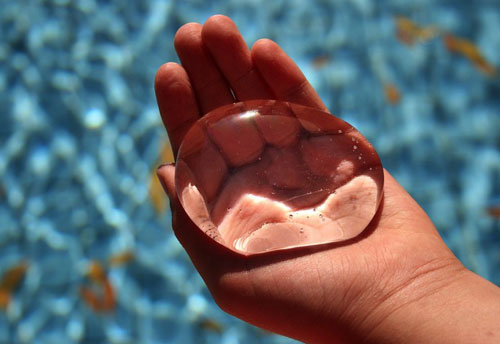
owner.His latest idea, the edible "Ooho" water
bottle, is simpler on the surface but goes after one of the
world's most troubling environmental threats: plastic pollution (a
problem much more serious than lost luggage). In an ideal
world, Ooho would replace the 50 billion plastic bottles that Americans consume each year. At last
count, about 1.5 million barrels of crude oil are tapped annually to
manufacture plastic bottles, according to a 2007 resolution by the
U.S. Conference of Mayors. After they're thrown away, these containers
often end up polluting the ocean, where there are roughly over 46,000 pieces of
floating plastic trash for every square mile, according to a report by the United Nations. Instead
of creating a bottle and then filling it with water, González, along with
fellow Imperial College London students Pierre Paslier and Guillaume Couche,
used a process that allows the bottle to take shape as it coalesces around
the liquid. González and his team first took a frozen ball
of water and dipped it into a calcium chloride solution, which formed a
gelatinous layer. Then, the ball soaked in another solution made from
brown algae extract, which encapsulated the ice in a second squishy
membrane to reinforce the structure. Keeping the water in the algae
solution for long periods of time allows the mold to become thicker
and stronger.
Two years ago, design
student Rodrigo García González made a name for himself when he invented
"Hop!," a suitcase prototype that conveniently follows its
owner.His latest idea, the edible "Ooho" water
bottle, is simpler on the surface but goes after one of the
world's most troubling environmental threats: plastic pollution (a
problem much more serious than lost luggage). In an ideal
world, Ooho would replace the 50 billion plastic bottles that Americans consume each year. At last
count, about 1.5 million barrels of crude oil are tapped annually to
manufacture plastic bottles, according to a 2007 resolution by the
U.S. Conference of Mayors. After they're thrown away, these containers
often end up polluting the ocean, where there are roughly over 46,000 pieces of
floating plastic trash for every square mile, according to a report by the United Nations. Instead
of creating a bottle and then filling it with water, González, along with
fellow Imperial College London students Pierre Paslier and Guillaume Couche,
used a process that allows the bottle to take shape as it coalesces around
the liquid. González and his team first took a frozen ball
of water and dipped it into a calcium chloride solution, which formed a
gelatinous layer. Then, the ball soaked in another solution made from
brown algae extract, which encapsulated the ice in a second squishy
membrane to reinforce the structure. Keeping the water in the algae
solution for long periods of time allows the mold to become thicker
and stronger.
"The main point in
manipulating the water as solid ice during the encapsulation is to make it
possible to get bigger spheres and allow the calcium and algae to stay
exclusively in the membrane," González says.The method is adapted
from a culinary technique known as spherification. Pioneered in the 1950s by Unilever and popularized by legendary Spanish chef Ferran Adrià, the process has
since been used to whip up gastronomic delights such as fake caviar and the juice-filled pearls often added to bubble tea drinks.But no one had thought to
apply it to encase large amounts of water. González's team has since
gone through thousands of prototypes, testing them in Spain, Italy and Britain.
Last summer, the designers tested a few versions of the product on the
streets of Spain for a local television program.
What do the
bottles taste like? Not much, González says, though "the jelly
texture around [the bottles] is something we are not used to ...
yet.""Not all of the reactions were positive," González
says. "Some people say that [the bottles] are like breast implants or
jellyfish."Even with the Ooho's fortified layers, González describes the
container's strength as comparable to the skin found on fruit.
"This is a problem
we're trying to address with a double container," he says. "The idea
is that we can pack several individual edible Oohos into a bigger Ooho
container [to make] a thicker and more resistant membrane."Other challenges include
figuring out how to make the bottle re-sealable while keeping the
"tasteless" skin sanitary enough for consumers to eat. Yogurt
maker Stonyfield recently rolled out an entire line of yogurt products
wrapped in a flavored coating called Wikipearls, made from a mix of
natural food particles, which are now available at select Whole
Foods locations throughout Massachusetts. The edible
balls of yogurt are sold with the protection of a sealed plastic bag; how
exactly the Ooho would be packaged on shelves is something developers will
determine when the product is rolled out to consumers.
"There's still a lot
things with the engineering of the membrane that we need to improve,"
González says. González says a few food and beverage companies have
reached out to him to discuss collaborating on the technology further. In the
meantime, the project is moving forward under a creative commons
license, which means the recipe for Ooho water bottles will be made
available online, and soon, if you have two hours and two cents to spare, you
could make a bottle in your own kitchen.
Prof. John Kurakar


No comments:
Post a Comment